Discover how drone technology addresses privacy concerns on farms. Learn about secure data practices, enhancing farm productivity while maintaining privacy with drones.
Welcome to Drone Farm
We offer a comprehensive range of agricultural drone services. With years of experience, we’ve harnessed our expertise to deliver high-quality services to our clients. Our team provides full support at every stage. Choose us for top-tier Drone Farming experiences!

Contents
- 1. How to address drone privacy concerns?
- 2. Drones on farms: privacy concerns
- 3. Understanding challenges of drone farming
- 4. What are limitations of drone farming?
- 5. Privacy concerns consideration on farms
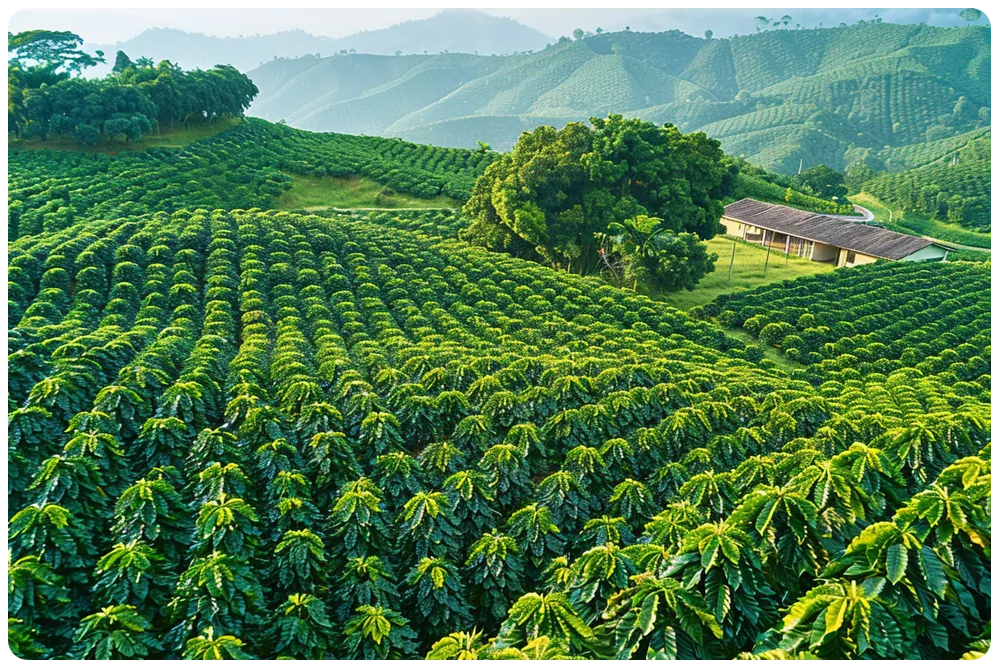
1. How to address drone privacy concerns?
Addressing Drone Privacy Concerns on Farms
Farming drones have revolutionized agricultural efficiency. However, concerns related to privacy surface regularly, and addressing them is crucial. Here is a step-by-step guide to tackle this challenge.- Understand Privacy Laws: Before you launch your drone, it is critical to familiarize yourself with local, state, and national laws regarding drone operations. These regulations often entail restrictions concerning where, when, and how the drone can be flown.
- Communicate with your Neighbours: Open dialogue with those living around your farm. Inform them about your drone project, its scope, and reassure them about their privacy not being compromised.
- Limit Data Exposure: Any data your drone collects is sensitive and must be safeguarded. Adopt strict encryption practices for storage and transmission of data to avoid any breaches.
By taking a proactive approach to these steps, any discomfort or fear your community may harbor about drones can be significantly reduced, and an environment of trust fostered, paving a smoother passage for the beneficial application of agricultural drones.
When it comes to agricultural drones, the yield-enhancing features they offer are numerous. Along with enhancing data collection and analysis, drones also optimize farm management and assist in making informed decisions for preventive measure against crop diseases. However, it is fundamentally important to use these tools responsibly and assure those around us that their privacy is being respected.
2. Drones on farms: privacy concerns
Drones on Farms: Privacy Concerns
In today’s digital era, the use of drone technology in agriculture presents us with an avenue to enhance farming methods and optimize crop productions. However, this innovative tool also poses some challenges: privacy concerns.As a drone glides over a farmstead, capturing information about crops, it simultaneously raises questions about farm privacy. As farmers embrace the drone technology for improved agricultural yield, they worry that the data collected might fall into the wrong hands, creating a potential for misuse and invasion of privacy.- Addressing Privacy Concerns: As we adopt drones in agricultural practices, it’s pertinent that the privacy concerns they pose be addressed adequately. It is essential to ensure that drones are used responsibly and that they have clear boundaries.
- Aerial Surveillance: The drone tasks include aerial surveillance, carried out to calculate vegetation indexes, assess soil conditions and detect crop illnesses. Consequently, drones gather a significant amount of data, which if mismanaged or unsecured, could jeopardize farm privacy.
- Data Protection Measures: Ensuring data protection measures are in place can help mitigate these concerns. The entities operating the drones should be held accountable for any data they collect, and robust policies should be put in place to govern how this data is stored, handled, and destroyed.
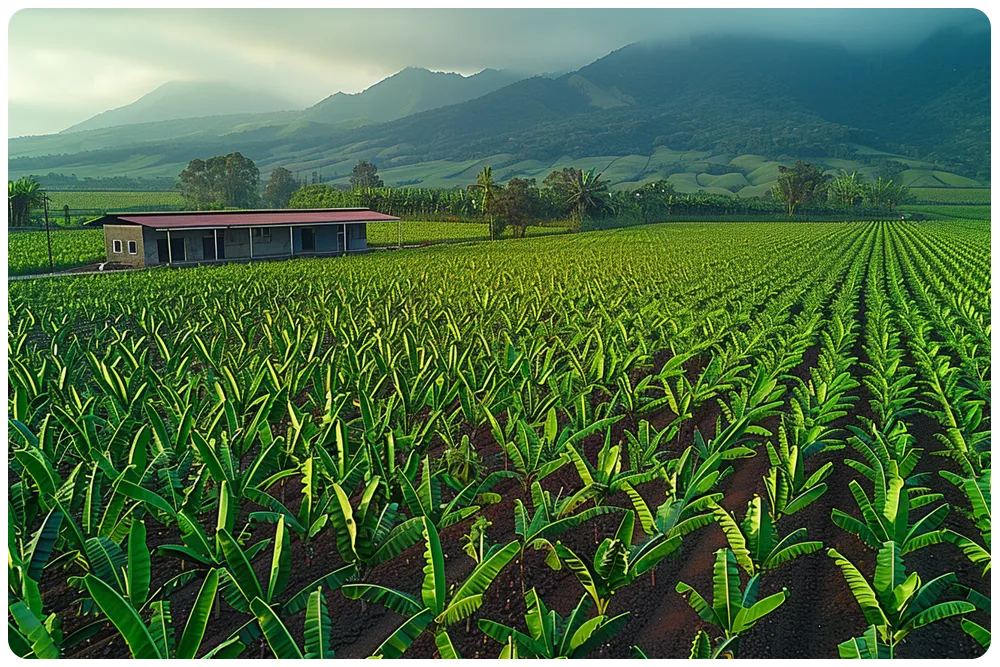
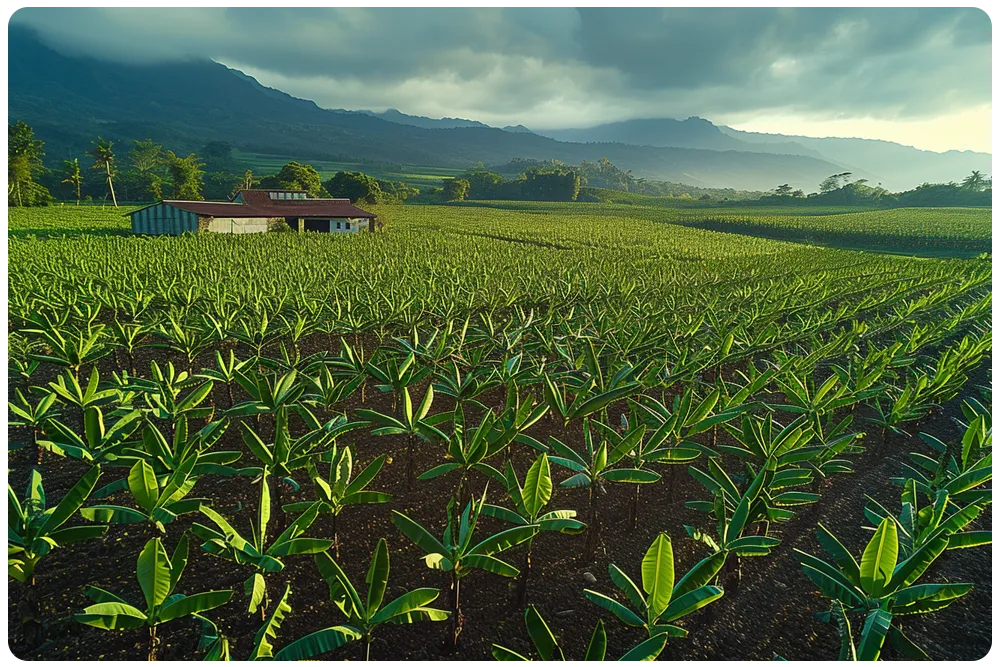
3. Understanding challenges of drone farming
Understanding challenges of drone farming
Drones, the technological marvels in agriculture, are not devoid of their challenges. These multifaceted tools have numerous applications – from high-resolution aerial imagery for optimized crop monitoring to targeted pesticide spraying, reducing wastage and cost. However, they pose certain limitations and concerns, particularly surrounding privacy and regulation.Range and Operation timeDrones are limited by battery life and flight range. Most drones can usually only cover a few hectares before requiring recharging. Although they have revolutionized the way we manage farms, the limited operational time hinders their potential. Understanding and addressing this challenge is paramount.Privacy ConcernsPrivacy is a significant concern. Drones can inadvertently capture images beyond their intended target, causing anxiety among neighboring property owners. These concerns require careful consideration and must be addressed to maintain harmony and cooperation in farming communities.Regulatory HurdlesDepending on your location, there may be specific regulations that limit drone use. Therefore, it is crucial to become familiar with local and national guidelines to ensure your farm practices maintain legality and respect for neighboring properties. The lack of standardization across regions poses a significant knowledge hurdle for farmers opting for drone technology.
Data OverloadIn the quest to harness the capabilities of drones, farmers may sometimes face a data deluge. The wealth of information generated by drone monitoring can become overwhelming and challenging to analyse. Developing strategies for optimum data utilization becomes critical here.- Invest in training: Farmers and drone operators should invest time and resources to understand the functioning and limitations of drones. Knowledge of accurate drone operation can help minimize potential risks and maximize agricultural benefits.
- Establish clear operations: Set clear boundaries when operating the agricultural drone. This practice will limit the invasion of neighboring parcels and maintain privacy.
- Stay updated: Keep abreast with the changing regulatory framework surrounding drone usage in agriculture. Being informed helps in staying compliant and respectful of national and local guidelines.
- Analyze and Adapt: Do not shy away from the data delivered by your drones. Instead, analyse the data and adapt your farm management strategies accordingly. This step will allow you to make the most out of your agricultural drone.
4. What are limitations of drone farming?
Understanding the Limitations of Drone Farming
Agricultural drone technology indeed brings a plethora of advantages to the farming sector, overhauling traditional farming mechanisms and augmenting efficiency. However, the usage of a drone for farming is not without its challenges. The regulatory and procedural obstacles, alongside technical shortcomings, need to be effectively addressed to relish the full potential of drone technology in agriculture.Regulatory Challenges
- Legal Constraints: The law regarding drone usage varies across regions, with some countries having rather strict guidelines. Farmers must navigate these legal complexities to operate the drone without hampering privacy rights or violating airspace restrictions.
- Requirement for Operator’s License: In many jurisdictions, an operator’s license is compulsory for drone users. Acquiring this license requires undergoing training which may sometimes be time-consuming and expensive.
Technical Challenges
- Limited Battery Life: The drone’s operational time is often restricted due to limited battery life. This shortcoming calls for improved batteries that can increase the flight duration.
- Vulnerability to Weather Conditions: Extreme weather conditions such as heavy rainfall, wind, or snow can hinder the drone’s performance. It is crucial to develop robust drones that can thrive in any weather condition.
Procedural Challenges
- Data Management: While the drone collects an abundant data, managing and interpreting this data to make actionable farming decisions may be overwhelming. Investing in robust data management systems can streamline this process.
- Training and Support: The technicality of drone operations necessitates appropriate training and support. Farmers must be equipped with the requisite skills to effectively operate the drone and interpret its data.
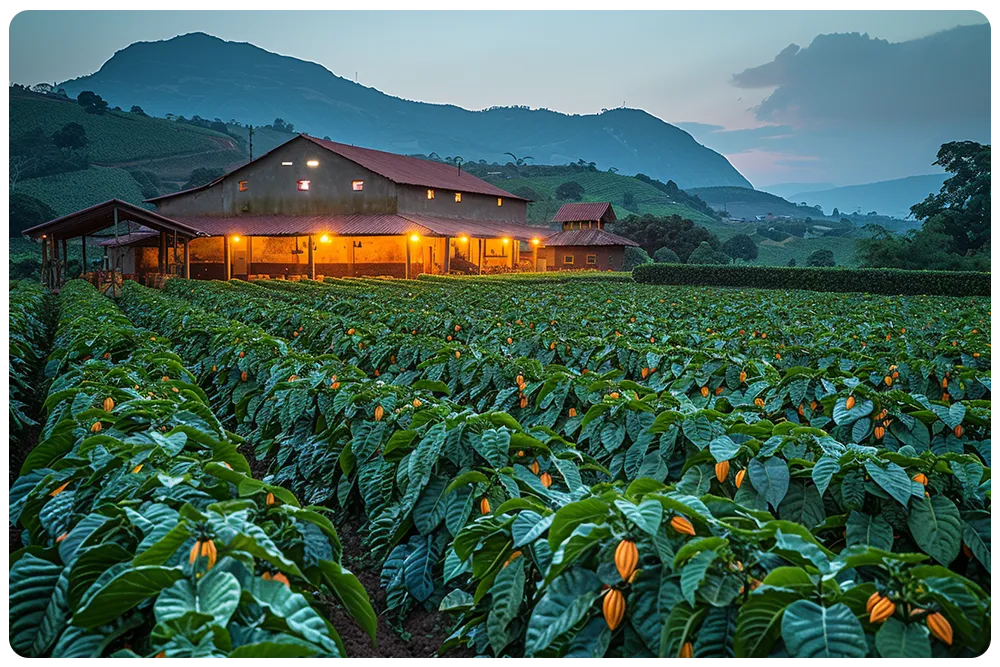

5. Privacy concerns consideration on farms
Privacy considerations on farms
Agricultural drone technology has become an essential tool for progressive farmers deployed in various applications from crop supervision to yield analysis. However, these remarkable innovations raise significant questions about privacy on farms. In this chapter, we address these concerns and provide solutions to ensure drone use that respects privacy while optimizing agricultural productivity.
Understanding Drone Privacy Concerns
When farmers utilize drone technology in their operations, they inadvertently capture images or videos of their surroundings. This could include adjoining lands, houses, or open areas, raising alarm for invasion of privacy.
Regulations and Permissions
In many countries, drone operations must abide by aviation regulations. These laws often stipulate obtaining necessary permissions, maintain prescribed flying heights, and respect no-fly zones. Building awareness about these regulations among farmers using drone technology is crucial to addressing privacy concerns.
Designing Flight Paths
One of the effective strategies in ensuring privacy is by carefully crafting the drone’s flight path. It needs to be routed in a manner that it only covers the intended crop zones and avoids capturing extraneous areas. This may require periodic adjustments considering the changing environmental conditions and crop specific requirements.
Investing in Privacy Features
Some drone models come equipped with features that respect privacy zones while carrying out their agricultural tasks. These drones use algorithms to blur or hide certain areas in images or videos. The selection of such drones can alleviate some of the privacy concerns.
Community Engagement
Engaging the local community and neighbors in dialogues about the farm’s usage of drone, its benefits, and measures taken to respect privacy can foster better understanding and alleviate any misconceptions.
- Identify stakeholders who may have privacy concerns about drone farming.
- Develop a comprehensive understanding of local and national drone regulations.
- Plan your drone’s flight path with privacy considerations in mind.
- Invest in drones with integrated privacy features.
- Engage with the community regarding your use of agricultural drone technology.