Explore how integrating drone data into farm management can optimize crop yield. Harness advanced drone technology for efficient farming and spot crop illnesses early.
Welcome to Drone Farm
We offer a comprehensive range of agricultural drone services. With years of experience, we’ve harnessed our expertise to deliver high-quality services to our clients. Our team provides full support at every stage. Choose us for top-tier Drone Farming experiences!

Contents
- 1. How is drone data integrated with farm management?
- 2. Analysis of farming data using drone software
- 3. Boosting farm productivity with integrating drone data
- 4. How can drones transform farming data analysis?
- 5. Use of drone software in farm management
- 6. Efficient farm management with integrated drone data
1. How is drone data integrated with farm management?
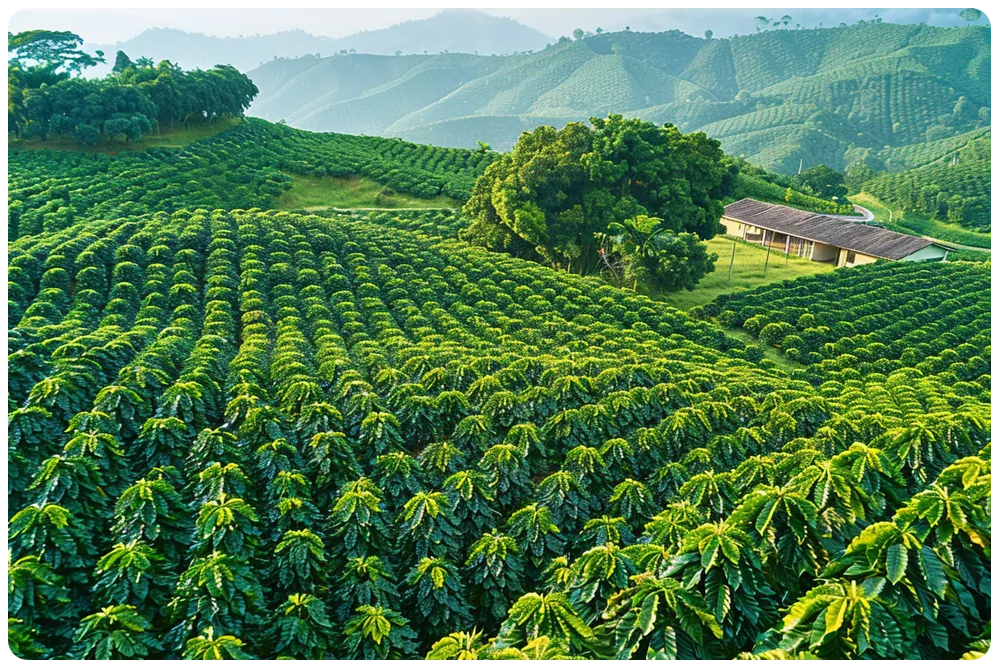
The agricultural realm has warmly embraced the advent of drone technology, integrating these advanced tools into farming and farm management to revolutionize productivity and efficiency. This shift heralds in a new crop cultivation era as it harnesses drone data in a kaleidoscope of ways.Phase One: Drone Data CollectionFirstly, the process begins with the agricultural drone embarking on pre-planned flights over a specified farmland tract. Armed with high-resolution cameras capable of multispectral imaging and thermography, the drone captures invaluable data reflecting the farm’s health and productivity state. It also helps detect any signs of crop illness promptly, a crucial aspect as early detection can significantly minimize the effect.Phase Two: Data ProcessingFollowing this, the raw data obtained from the drone is then processed using specialized agricultural drone software. This conversion transforms the raw data into usable formats like GeoTIFF, JPEG, or raw for further data analysis.Phase Three: Data AnalysisOnce the processing is completed, farmers can integrate the data into their farm management system. Here, the drone data is meticulously analyzed, revealing essential insights about the farm’s condition. For instance, the data might reveal the presence of pests, inadequate irrigation systems, or poor soil health.Integrating Drone Data with Farm Management
The integration of drone data with farm management is one of the pivotal advancements of modern agriculture. Here is a concise explanation of how drone data becomes an instrumental part of farm management:
- Crop Health Monitoring: The multispectral imaging obtained from the drone provides invaluable insights into crop health. It reveals the presence of fungal or bacterial infection and infestations, helping farmers take prompt action.
- Land Mapping: The drone data is excellent in generating accurate 3D maps for soil analysis, enabling farmers to plan seed planting patterns effectively.
- Irrigation Monitoring: With thermal sensing capabilities, drones can detect the irrigation system’s inconsistencies, helping pinpoint areas requiring more attention.
- Yield Estimation: By harnessing drone data in combination with analytical algorithms, farmers can predict their yield, assisting in better inventory management.
2. Analysis of farming data using drone software
Unlocking the Power of Agricultural Drone Data
Agricultural drone technology has revolutionized farm management by lending a bird’s eye view of the fields. Its proficiency doesn’t stop at mere visual assessment, though. Gathering raw data is merely the first step. The real magic begins when this raw data is uploaded to specialized drone software for processing, interpretation, and integration into farm management systems.How Drone Software Analyzes Farm Data
Once the drone flies over a field, it collects vast amounts of data through advanced sensors and cameras. This raw data, however, needs interpretation to become actionable intelligence for the farm manager. In the case of a dedicated drone software, it processes this raw data and translates it into meaningful metrics that are easy to comprehend.
Here is a summary of how it happens:- Firstly, the drone collects data through advanced imaging technologies such as multispectral imaging and thermal imaging.
- Next, this data is uploaded to the drone software, which gets to work analyzing it.
- The software then processes the data, assessing factors such as crop health, soil moisture, and potential pest infestations.
- Finally, the analyzed data is represented via easy-to-understand maps, charts, and reports, ready for the farmer to make informed decisions.
Integrating Drone Data with Farm Management
One of the greatest benefits of drone data is its integrated use in farm management systems. Such integration significantly enhances the competence and efficiency of farm operations. It enables real-time monitoring and assures farm-level decision-making based on accurate data rather than educated guesses.By linking drone software with farm management systems, farmers can:- Easily monitor the entire farming operation from planting to harvest.
- Receive timely alerts about potential crop illnesses thereby minimizing their effects.
- Optimize their irrigation strategies based on accurate soil moisture data.
- Plan fertilization programs more effectively by understanding crop nutritional needs.
3. Boosting farm productivity with integrating drone data
Boosting Farm Productivity with Integrating Drone Data
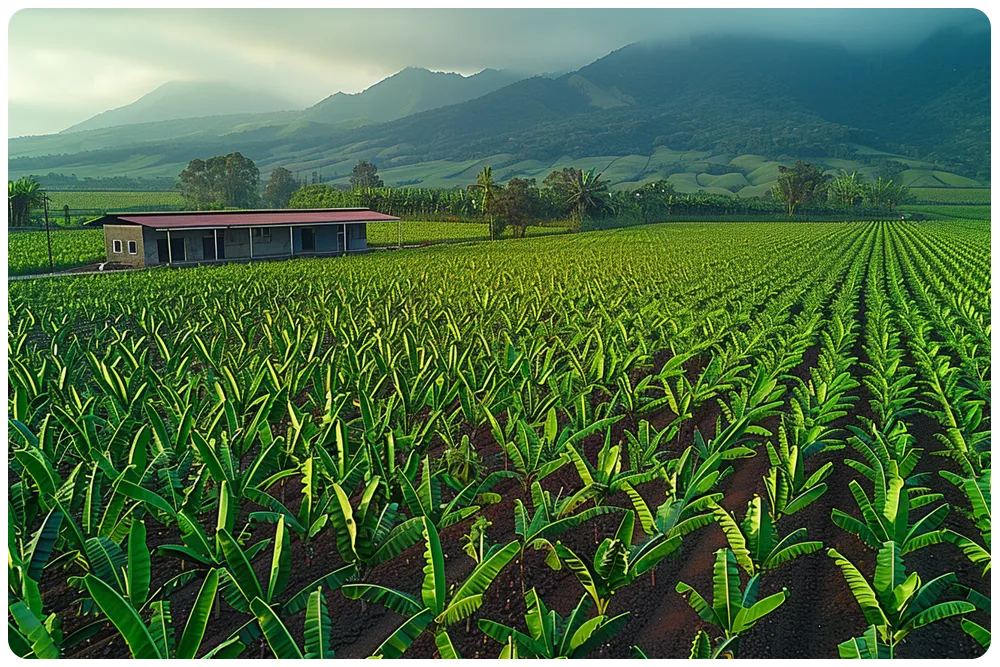
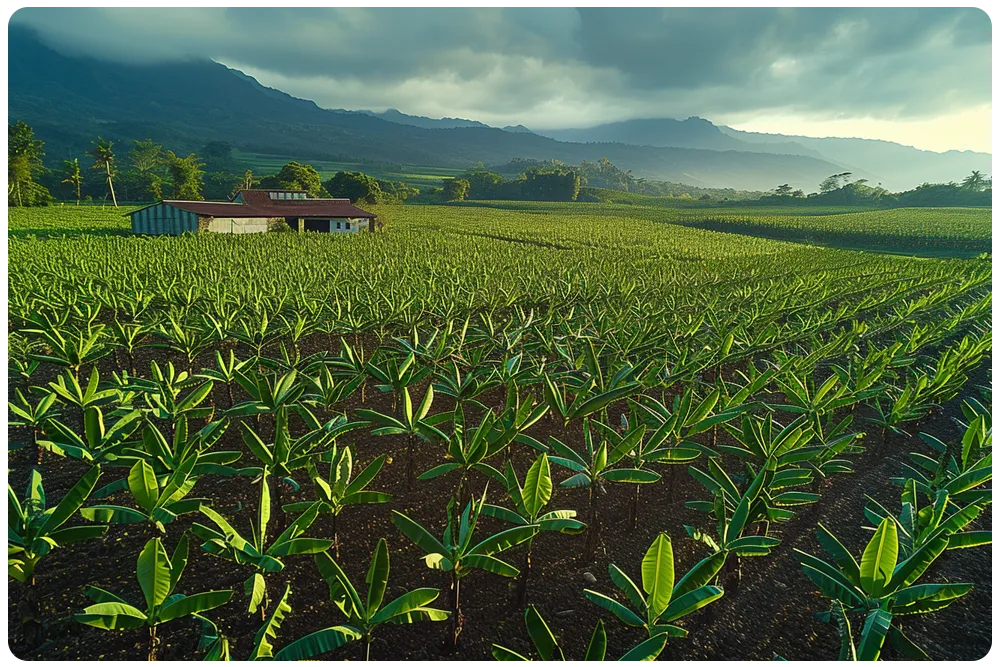
In the rapidly evolving world of agriculture, drone technology has carved a unique and vital niche. Leveraging the power of agricultural drones, farmers can optimize crop production, manage their fields effectively, and mitigate effects of crop illnesses. The key to maximize the potential of this advanced tool lies in understanding how to integrate drone data with farm management systems.
The utility of an agricultural drone transcends mere aerial observation. Loaded with complex sensors and advanced imaging capabilities, these technological marvels generate an enormous amount of data, invaluable to the farmer. This data varies from general aerial views for field mapping to precise observations such as crop health, soil moisture levels, or detection of pest infestations.
Integrating this ample drone data into farm management yields significant benefits. Let’s delve into a step-by-step guide on this integration process.
- Identify the Data to Collect: Different drones come equipped with various sensors. Realize what dataset each sensor collects and recognize how it can aid in decision-making for your farm management.
- Collect and Process the Data: Deploy the drone in the field and collect data about your crop fields. The data is usually raw and in large volumes, necessitating a processing stage to convert it to usable insights.
- Import Data: Next, import your processed data into the farm management system. Several modern software offer seamless integration with drone data.
- Interpret and Utilize Data: Interpreted data can offer remarkable insights into crop health, growth progression, water needs, and pest-related threats, which would further support informed decision-making.
The integration of drone data into farm management streamlines the agricultural process, making it more efficient and effective. It bridges the gap between simply possessing a wealth of data and actually leveraging it to boost production and manage instances of crop illness pragmatically. The future of farming, indeed, soars high with drones.
4. How can drones transform farming data analysis?
Enlightening Farmers on How Drones Can Transform Farming Data Analysis
Understanding the manifold benefits of agricultural drone technology can be a gamechanger for optimal farm management. Strategic utilization of this novel tool constitutes a pivotal shift towards enhanced crop production, farm monitoring, and disease detection in plants. Compiling and analyzing agrarian data with the aid of drones can appreciably augment crop yields while reducing wastage and operational costs.
Let’s cast a closer look at the role of drones in data analysis related to farming:
- Precision Agriculture: This approach utilizes drone technology to capture invaluable data regarding soil and crop health. Accurate analysis of this information empowers the farmer with the knowledge to make informed decisions related to fertilizers, irrigation, and optimal planting times.
- Crop Monitoring: Drone imagery provides high-resolution data that facilitates effective tracking of crop growth. The drone’s ability to cover extensive land areas quickly mitigates the limitations of on-foot monitoring, thus offering timely insights into crop health and needs.
- Disease Detection: Drones equipped with advanced sensors can detect signs of crop illness far earlier than the human eye. Early disease detection promotes swift intervention, hence minimizing potential loss.
- Yield Estimation: Drones provide precise data regarding the total crop area, stage of growth, and predicted yields, enabling more accurate harvest forecasting.
- Integration of Data with Farm Management Software: Drone-generated data can seamlessly connect with farm management software, streamlining the decision-making process and improving operational efficiency.
Understanding this transformative technology is key to unlocking the full potential of drone-driven data. The aim is to ensure farmers are equipped with the knowledge to effectively integrate drone data into their farm management strategies for a profitable and sustainable agricultural future.


5. Use of drone software in farm management
Discover the innovative world of agricultural drone software and its transformative impact on field management and crop productivity. The application of advanced drone technology within the farming sector catalyzes farming operations, leading to greater efficiency and optimized farm management.
Step 1: Initiating Drone Software
The process commences with integrating a high-tech drone software into your farming operational system. This data-driven tool procures aerial images of your farmland, enabling you to observe and analyze the status of your crops from a bird’s-eye view.Step 2: Data Collection
Upon activation, the drone swiftly embarks on its flight path over your fields. As it glides, it meticulously captures high-resolution images, adjusting its altitude and position to maximize coverage. This ensures the acquisition of comprehensive aerial data, crucial in evaluating crop health and identifying potential threats.Step 3: Data Analysis
Once the image data has been collected, it is synchronized with the agricultural drone software. The software holistically analyses and interprets this data to pinpoint any inefficiencies in crop production. This could range from plant diseases, irrigation issues, to pest invasion, anticipating problems referred as Crop Illness, before they impact overall yield.Step 4: Implementing Findings
The comprehensive analysis provided by the drone software serves as a guiding tool for effective farm management. By identifying problem areas in fields, you can create tailored strategies to address these issues. The drone allows swift action, minimizing potential damage to your crops.In essence, implementing drone software in your farming practices equips you with an efficient, accurate, and reliable field management system. It cultivates a proactive approach towards addressing challenges, enhancing productivity and ultimately, profitability of your farming operations. Embrace the future of agriculture today, by integrating drone technology into your farming practices.6. Efficient farm management with integrated drone data
Efficient Farm Management with Integrated Drone Data
Drones have emerged as a technological lighthouse, significantly enhancing farm management and agricultural productivity. Integrated drone data offers an array of benefits, from improved crop monitoring to the early detection of crop illnesses and subsequent quality control. Let’s delve into these applications to explore this technology’s vast potential.Crop Health Monitoring: One of the prime usages of a drone in farming is to monitor crop health regularly. Through providing accurate, real-time data, the drone aids farmers in identifying issues early on, minimize their effects, and increase their yield potential.
Additional applications of drone data in farm management include:- Precision Agriculture: Drone offers unparalleled accuracy in data collection. Analyzing this data can assist farmers to manage resources more efficiently, making informed decisions related to irrigation, fertilization, and pest control.
- Crop Illness Detection: Drone can detect crop illnesses in their early stages. It does this by capturing high-resolution aerial imagery and spectral signatures that indicate plant stress, allowing farmers to take quick corrective measures.
- Farm Management Software Integration: Drones seamlessly integrate with farm management software. Farmers can overlay drone images with other data sources to gather comprehensive insight, making confident and precise decisions.
