Discover innovative drone technology solutions tackling farming challenges. Enhance crop production and management with our drones – overcoming battery life hurdles.
Welcome to Drone Farm
We offer a comprehensive range of agricultural drone services. With years of experience, we’ve harnessed our expertise to deliver high-quality services to our clients. Our team provides full support at every stage. Choose us for top-tier Drone Farming experiences!

Contents
- 1. What are solution for drone farming obstacles
- 2. Improving drone battery life for farming
- 3. Strategies for reducing drone farming costs
- 4. How can we overcome drone farming challenges
- 5. Solution for drone navigation in rural areas
- 6. Implementing weather resistance in drone design
- 7. Utilizing more powerful cameras for crop surveillance
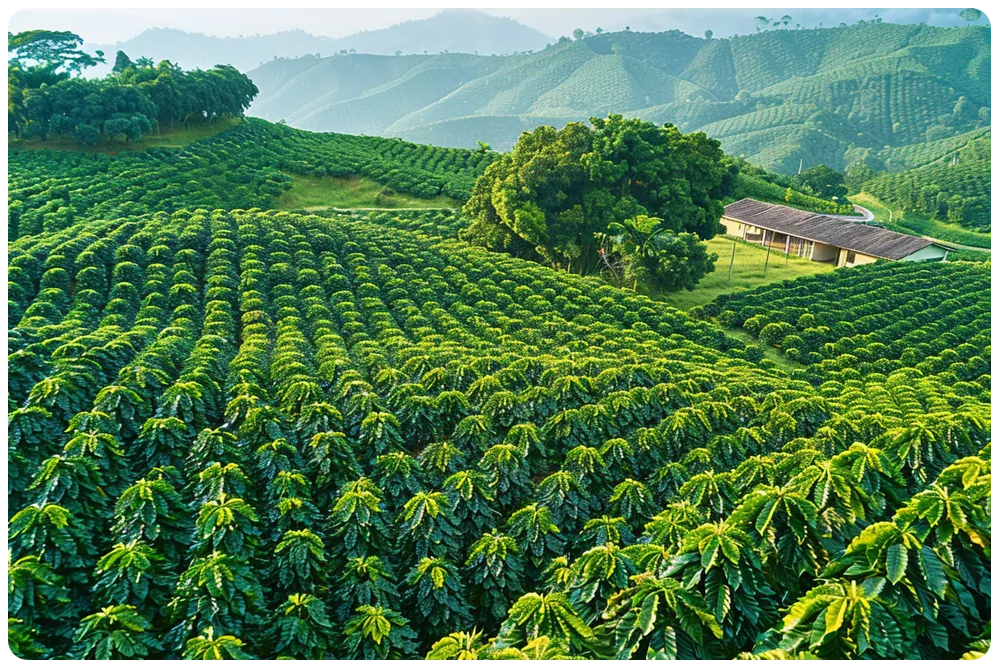
1. What are solution for drone farming obstacles
Finding Solutions for Drone Farming Obstacles
As the prominence of drone technology in agricultural management continues to rise, there exists a series of challenges and limitations that need to be addressed for optimal use. In this context, we will take time to explore these issues and the possible solutions.Firstly, a common obstacle to drone farming is the cost associated with acquiring and maintaining the drone. A feasible solution to this burden is encouraging governmental support and incentives for farmers who wish to integrate drone technology into their operations. On top of that, drone manufacturers should continually strive for cost-effective production processes to reduce the market prices.Secondly, the issue of limited battery life of the drone becomes paramount. Drone manufacturers can address this hurdle head-on by investing in research and development to produce drones with extended battery life. Moreover, the development of solar-powered drones could provide a sustainable solution.Thirdly, problems concerning data overload and its interpretation can be overwhelming for farmers. To mitigate this, there should be user-friendly software that incorporates artificial intelligence for making sense of the vast array of data collected by the drone.Fourthly, constraints related to drone regulatory laws might hinder drone farming. For a productive resolution, open communication and collaboration between the agricultural industry, drone manufacturers, and government agencies can lead to the development of favorable laws.Lastly, seasonal climate changes can affect the drone’s performance. To counteract this, manufacturers must design drones that can withstand different weather conditions, making them all-season friendly.In tackling these challenges, the agricultural sector will witness immense transformation. Drone farming will be more than a possibility; it will be a thriving reality.2. Improving drone battery life for farming
Step-by-Step Guide to Enhance Drone Battery Life for Improved Farming Productivity
The promising advancements in drone technology have ushered in a new era of farm management. These cutting-edge tools are transforming agricultural landscape, promising precise monitoring and efficient crop production systems. However, one challenge that remains is improving drone battery life for uninterrupted services in the field. Here, we delve into practical solutions to overcome this obstacle.Step 1: Optimize Drone Settings To enhance battery longevity, it’s crucial to calibrate the drone’s flight settings. Adjustments in flight speed, altering hovering time, and minimizing unnecessary movements can drastically extend battery lifespan.Step 2: Evaluate Battery Performance Periodically check the drone’s battery health to identify any signs of degradation. Early detection can prevent the sudden depletion of battery life during critical field operations.Step 3: Optimal Charging Adopt optimal charging practices. Avoid completely draining the battery before every recharge, and refrain from overcharging, as both these practices can deteriorate battery performance over time.Step 4: Use Dynamic Routing Implement dynamic routing techniques to reduce the drone’s travel distance. By designing smart pathways, the drone can cover more area in a single charge, thereby increasing efficiency.Step 5: Climate Consideration Consider the influence of climatic conditions. Extreme cold or hot temperatures can significantly impact battery performance, therefore, it’s key to align drone operation schedules with favourable weather conditions.Step 6: Firmware Updates Stay up-to-date with firmware updates as they often include patches and fixes that can enhance battery performance.Step 7: Efficient Use of Accessories Attachments to drones, such as lights, cameras, or other agricultural tools can drain the battery faster. Use these accessories judiciously to prolong battery life.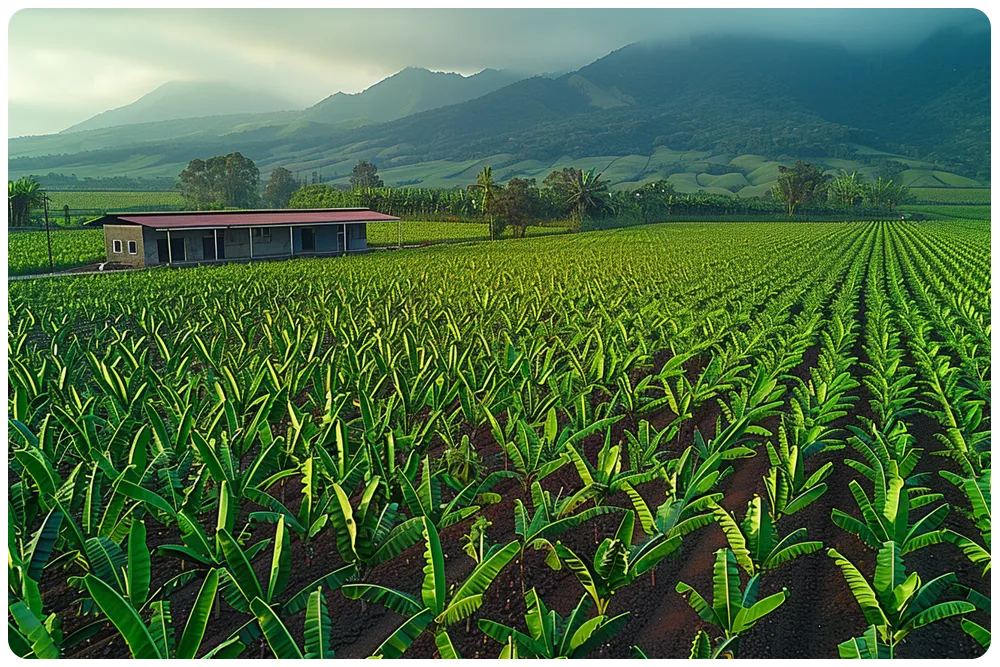
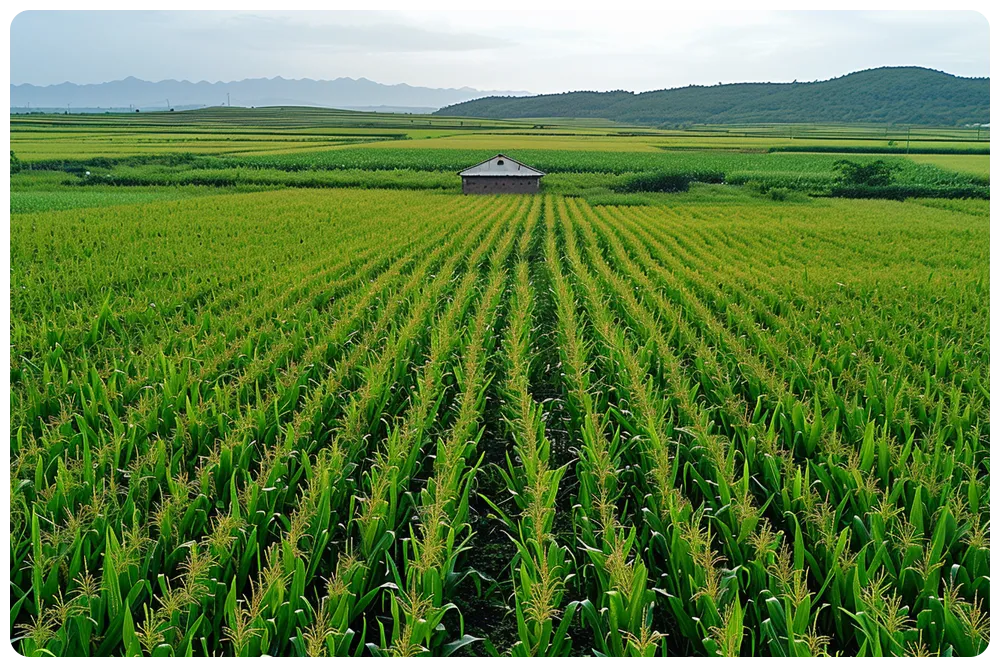
3. Strategies for reducing drone farming costs
Effective Strategies for Reducing Drone Farming Costs
Adopting drone technology in farming can boost crop production and improve field management, but it does not come without its challenges, including financial constraints. Here, we unfold practical strategies for curbing drone farming expenses, enhancing the profitability of this advanced farming method.
Invest in a Quality Drone
Quality should be a priority when selecting a drone for farming purposes. Although high-end drones might require a substantial initial investment, their durability and efficiency can result in significant cost savings over time.
Regular Maintenance
Maintaining your drone in top shape is crucial to prevent costly breakdowns and premature replacements. Regular inspections, software updates, and cleaning will help you avoid unexpected drone failures.
Appropriate Training
Inadequately trained personnel operating a drone can lead to expensive mishaps. Proper training ensures the drone is operated efficiently and safely, reducing the chances of accidents and unnecessary wear and tear.
Insure Your Drone
Considering the high costs associated with drone equipment and potential damage, farmers should consider drone insurance. This precaution can shield you from significant financial losses in case of unforeseen incidents.
Efficient Use of Drone Capabilities
Farmers should optimally use the various capabilities drones offer, such as heat sensors for crop disease prediction. Spotting and addressing crop diseases early can minimize their impact, saving on treatment costs.
In the face of the challenges and limitations that drone farming presents, these solutions can mitigate financial obstacles and ensure drone usage becomes a practical, cost-effective tool for modern agriculture.
4. How can we overcome drone farming challenges
How Can We Overcome Drone Farming Challenges?
In the realm of agriculture, the usage of drone technology has emerged as a revolutionary tool. These advanced devices optimize crop production, provide a bird’s eye view of farm management, and act as an alert system for crop illness. However, like every innovation, drone farming has its challenges and limitations – let’s delve deeper into how we can transcend these barriers.
1) Mastering the Learning Curve
Drone systems are an integration of sophisticated technology. Right from understanding the functionalities to maneuvering the drone, the learning curve might be steep for some. Solution: Offer practical, hands-on training to those responsible for operating the drone. Online tutorials and certification courses can be a useful resource for grasping the nuances of drone technology.
2) Regulatory Hurdles
Legitimate operation of drones requires compliance with the regulations set by aviation authorities. Solution: Stay informed about the latest aviation laws and ensure that your drone farming practices do not violate them. Knowing your legal boundaries can save from potential penalties.
3) Privacy Concerns
As drones can cover extensive tracts of land, inadvertently capturing neighboring lands might trigger privacy concerns. Solution: Establish transparent communication with your neighbors explaining the purpose and scope of your drone operations. Also, ensuring the drone flight patterns are strictly within your territories can minimize encroachment issues.
4) Battery Lifespan
The battery life of the drone poses a significant limiting factor as it directly influences the drone’s operational duration and distance. Solution: Investment in extra batteries or even a drone with swappable batteries can solve this problem. Efficient power management can significantly optimize the drone’s field time.
Indeed, the journey of integrating drone technology into farming might be fraught with challenges. However, with sensible planning and strategizing, these obstacles can be largely overcome, unlocking the potential for higher agricultural efficiency.
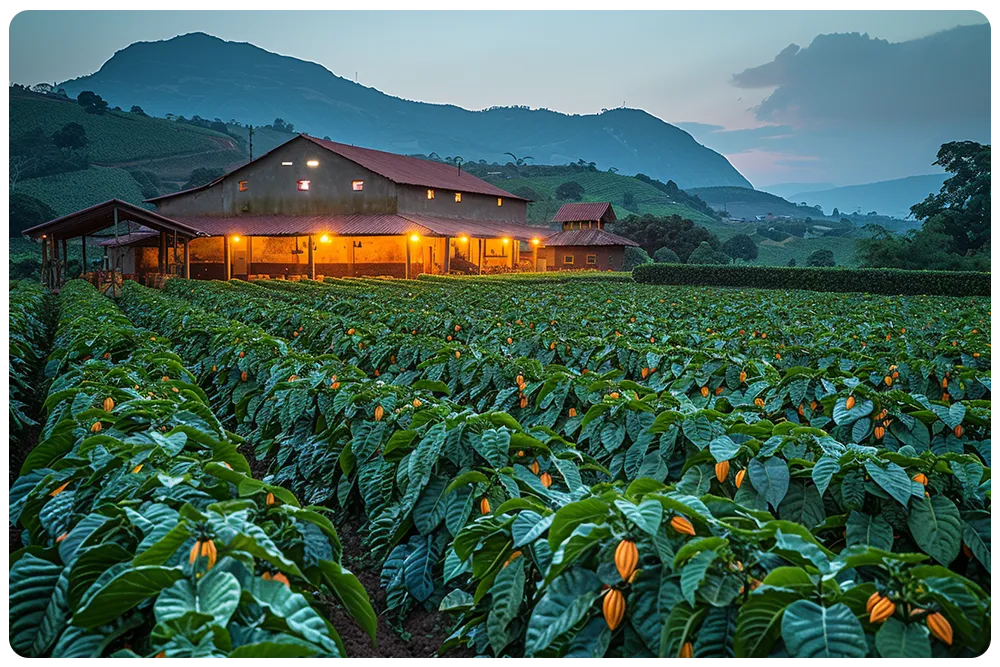

5. Solution for drone navigation in rural areas
Delve into the realm of drone technology and its multifaceted application in the agriculture sector. Agricultural drones are instrumental in transforming conventional farming, enhancing production, and streamlining field management strategies. Acknowledge the increasing reliance on drones in rural areas, the significance of overcoming navigational challenges, and the evolution of robust solutions for effective drone utilization in farming.
Obstacles Drones Encounter in Rural Regions
Implementing drone technology in rural areas is not void of complications. Confronted with agrarian landscapes and unusual topography, drones often grapple with navigational hurdles. Areas with dense vegetation, uneven terrains, or remote locales can interfere with the drone’s optimal functioning. Furthermore, poor GPS accuracy in these regions considerably complicates matters.
Understanding these predicaments emphasizes the need for innovative solutions to counter these impediments and ensure the functional adaptability of drones in these settings.
Solutions Amplifying Drone Navigation Capabilities in Rural Areas
Fortunately, the progressive drone industry continually explores novel approaches, improving navigation and optimizing drone efficiency in rural areas:
- Artificial Intelligence (AI) Enabled Technology: Modern drones integrate AI and machine learning, which allow them to recognize patterns and make informed decisions. With AI, drones can adeptly navigate difficult terrains and forested regions.
- Advanced GPS Tracking System: Enhanced GPS systems have proven effective in improving location accuracy for drones. Equipped with these advanced trackers, drones can traverse remote areas with minimal difficulties.
- Obstacle Avoidance Technology: The advent of this technology has made drones capable of detecting and avoiding obstacles autonomously via sensors and radars, integral to navigating densely wooded areas.
Undeniably, dealing with the challenges of drone farming and providing solutions is pivotal in harnessing the full potential of these advanced tools. By overcoming navigational impediments, drones can effectively monitor crops, help diagnose plant diseases, and foster farm management practices. Continuous adaptations and improvements in drone technology will undoubtably steer farming towards unprecedented efficiency.
6. Implementing weather resistance in drone design
Implementing Weather Resistance in Drone Design
Meet the powerful world of the agricultural drone, amalgamating advanced technology with traditional farming techniques to redefine efficiency. A drone, offering myriad applications and a multitude of technological prongs, is reshaping modern agricultural practices. The simplification of crop management with its implementation holds immense potential to revolutionize the farming sector. Not to mention, its functionality in identifying and mitigating crop illness has immense potential providing a proactive solution.However, creating a robust weather-resistant drone design presents a significant challenge. To address this, let’s explore some critical factors in developing a drone capable of withstanding varying weather conditions:
- Materials: The utilization of lightweight, but durable materials, like carbon fiber or magnesium alloy, offers good weather resistance while ensuring the drone remains easy to navigate.
- Design: An aerodynamic design, coupled with waterproof elements, enhances the drone’s capability to function effectively in fluctuating weather conditions.
- Technology: Equip the drone with state-of-the-art sensors and advanced AI algorithms to predict environmental changes and adjust flight plans accordingly.
Building an agricultural drone that is resilient to weather changes does not only enhance its efficiency, but it also extends its lifespan and reduces operational costs. Though it has its challenges, with the right material, design, and technological approach, developing a weather-resistant drone is feasible.
Remember, the journey into agricultural drone usage is one marked by constant learning and innovations. Embracing these changes, overcoming limitations, and tweaking strategies can lead to enhanced farm management, declaring victory over crop illnesses, and finally, to optimized crop production.
Pulling together the potentials of drone technology promises a brighter future for the agricultural sector. As we embark on this incredible technological journey, let’s embrace the challenges and collaborate to pioneer solutions that will maximize the benefits of agricultural drones.
7. Utilizing more powerful cameras for crop surveillance
Leveraging Advanced Camera Technology for Crop Surveillance
As the application of drone technology continues to revolutionize agriculture, the use of powerful cameras for crop surveillance represents the cornerstone of successful drone farming. This indispensable tool has undergone several transformations, making it possible to monitor vast expanses of farmland effectively and efficiently.Advanced cameras fitted onto a drone provide farmers with vital information about crop health, pest infestations, and nutrient deficiencies. They allow for precision farming as they capture high-resolution images that can be used to analyze the agricultural fields and identify problem areas early, minimizing crop illness and potential losses.- Installation of High-Resolution Cameras: A drone equipped with a powerful camera can capture images at excellent resolutions, allowing farmers to spot minute details and indications of crop illness. It serves as an exceptional early-warning system, ensuring that anomalies are caught and addressed promptly.
- Integration of Thermographic Cameras: Some drones come with thermographic cameras that provide heat signatures of the crops. These signatures make it easy to identify water stress, pest infestations, and other irregularities, allowing farmers to implement timely interventions and minimize damage.
- Utilizing Multispectral Cameras: A multispectral camera on a drone can record data in specific wavelengths, including ultraviolet and near-infrared. This type of camera can monitor plant health, water quality, and even weed presence, providing farmers with valuable insights about their crops and enabling them to make more informed decisions.